VillageJujuyQuebrada de Humahuaca
Purmamarca
A small adobe village at the foot of the Cerro de los Siete Colores, and the gateway from the Quebrada to the salt flats of the Puna.
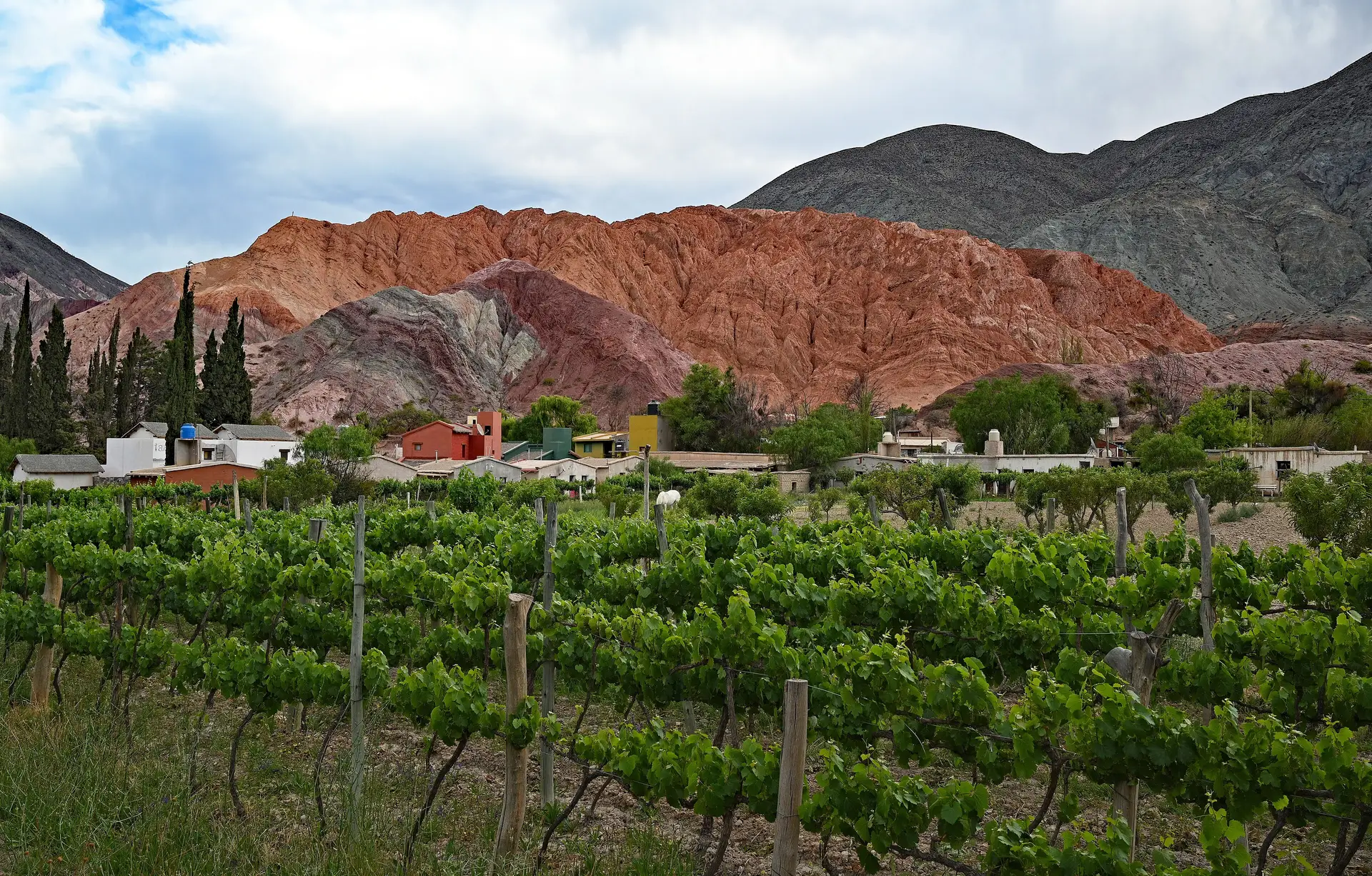
Photo: P. Hughes, CC BY 4.0
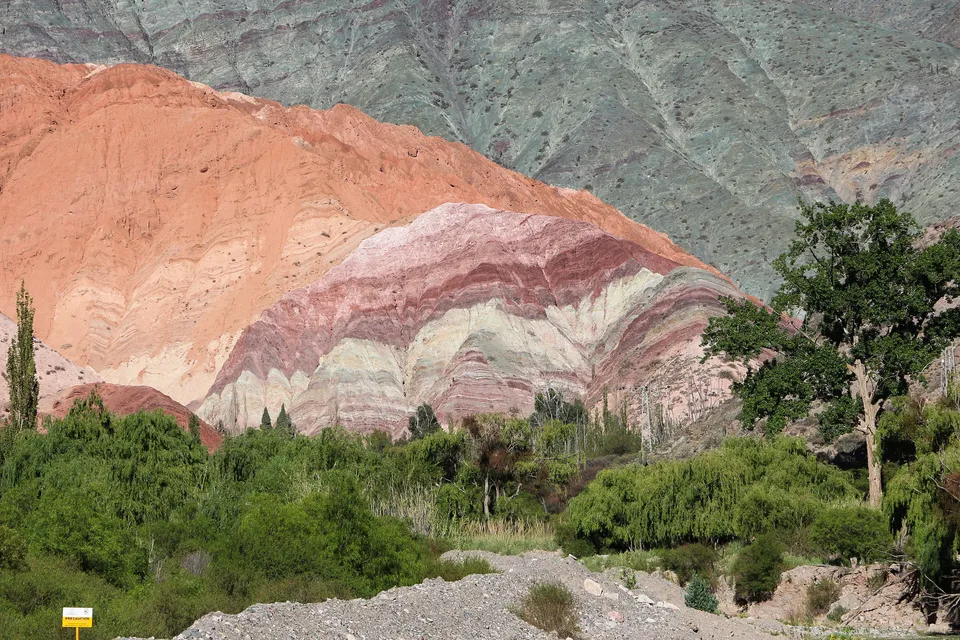
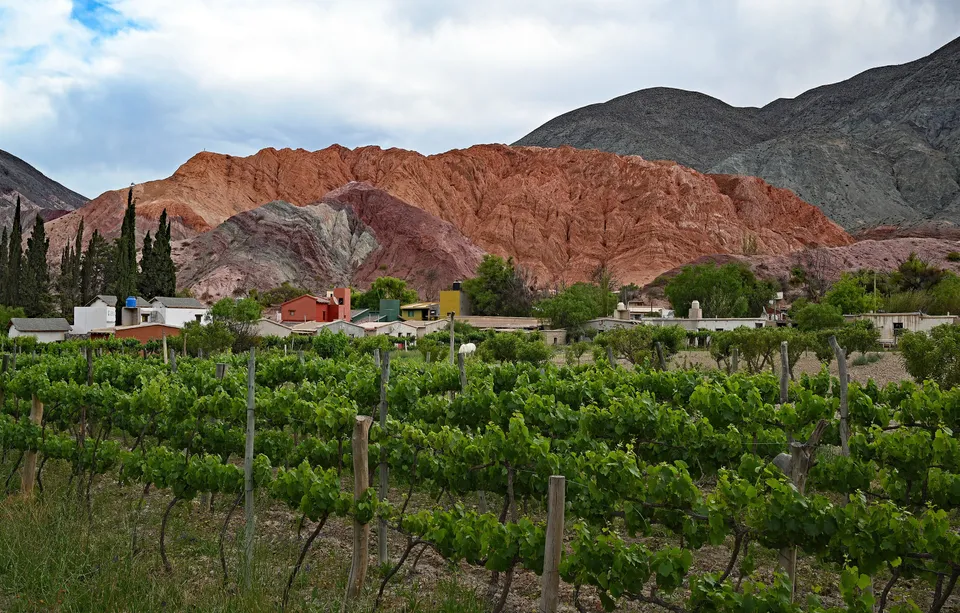
Purmamarca is barely a few blocks of adobe houses, a square shaded by old trees and a whitewashed church. What makes it one of the most photographed places in Argentina rises directly behind it: the Cerro de los Siete Colores, a hillside of folded sediment striped in red, rust, violet, ochre and green.
The colours are geology rather than legend — layers of marine limestone, clay, sandstone and mudstone laid down over many millions of years, then tilted and exposed by the uplift of the Andes. Their intensity changes with the light, which is why early risers have the best of it.
Seeing the hill
The classic view is from the low ridge on the edge of the village, a short walk from the square. Go at sunrise, when the first sun lights the slope from the east and the village is still quiet.
For a closer look, follow the Paseo de los Colorados, a loop of roughly three kilometres along a dirt track that winds between red rock formations behind the village. It is an easy walk of an hour or two, but you are already above 2,300 metres: take water, a hat and your time.
Arrive the evening before. Purmamarca is at its best when the day-tour buses have gone.
The village
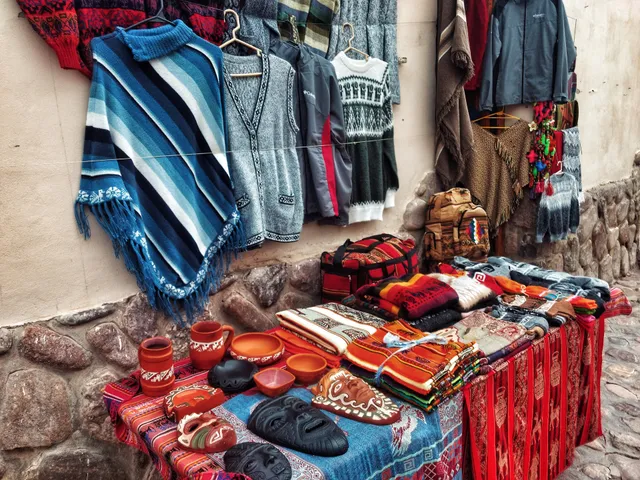
The Church of Santa Rosa de Lima on the main square dates from the 17th century and is built in adobe with a cardón-wood ceiling, in the style of the churches of the Quebrada. Around the square, the artisan market sells llama-wool textiles, ponchos, ceramics and woven bags. Prices are reasonable and bargaining is gentle, if at all.
Purmamarca sits within the Quebrada de Humahuaca, inscribed by UNESCO as a World Heritage cultural landscape in 2003 for its ten thousand years of human history along this route between the Andes and the lowlands.
Beyond Purmamarca
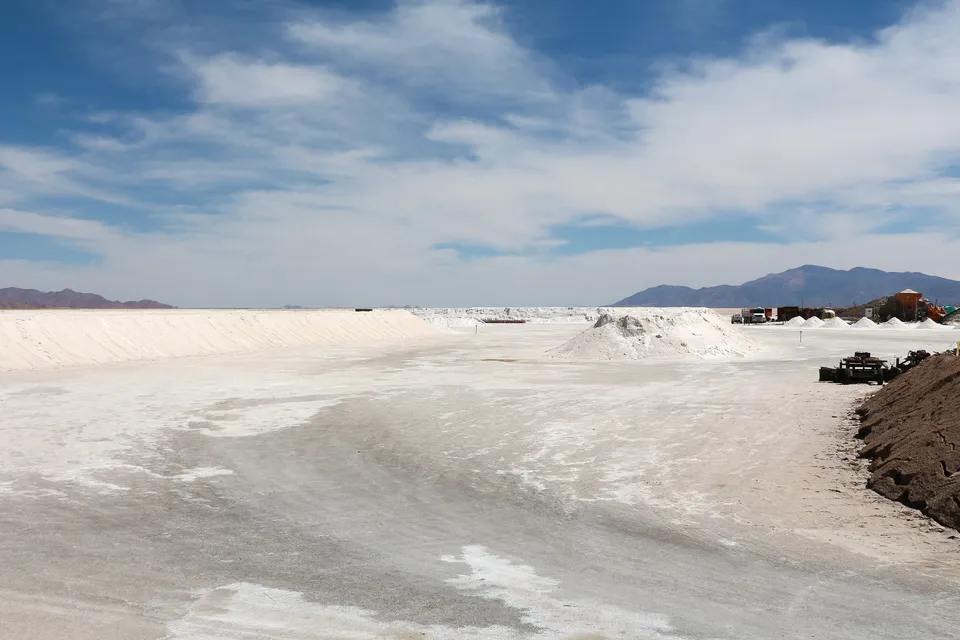
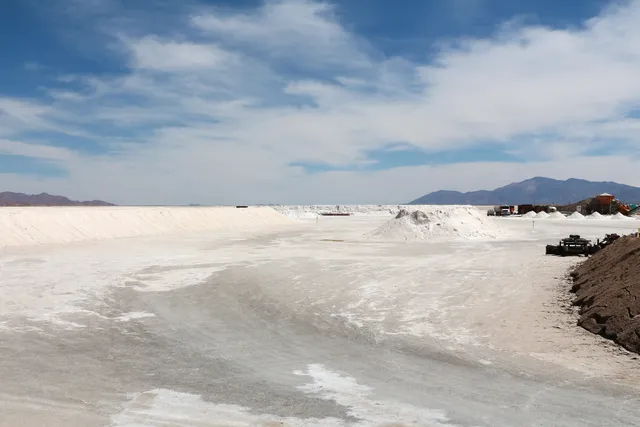
From the village, Route 52 climbs west through the hairpins of the Cuesta de Lipán, topping out at over 4,000 metres, before descending to the white expanse of Salinas Grandes on the Puna. It is one of the great drives of northern Argentina. Allow a half day for the round trip and plan for the altitude.
North along Route 9, Tilcara and Humahuaca make easy bases for exploring the rest of the Quebrada.
Gallery
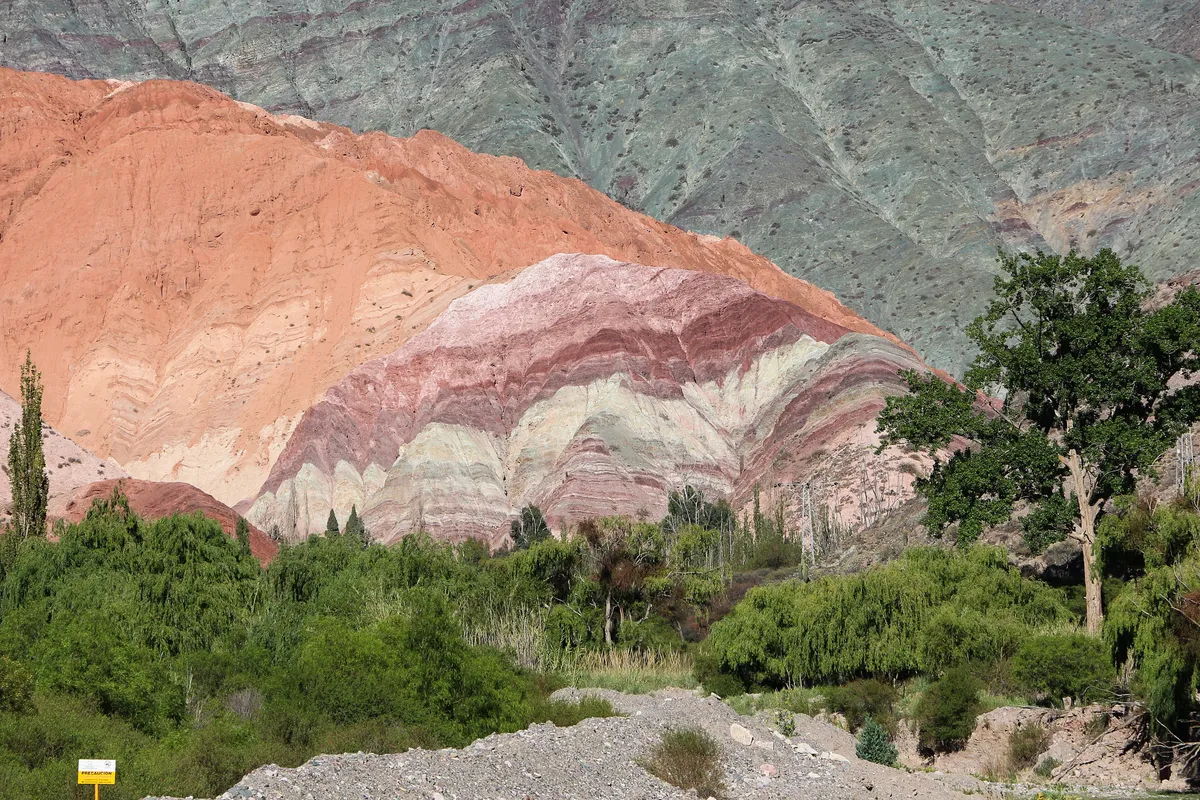
Photo: Bernard Gagnon, CC BY-SA 4.0
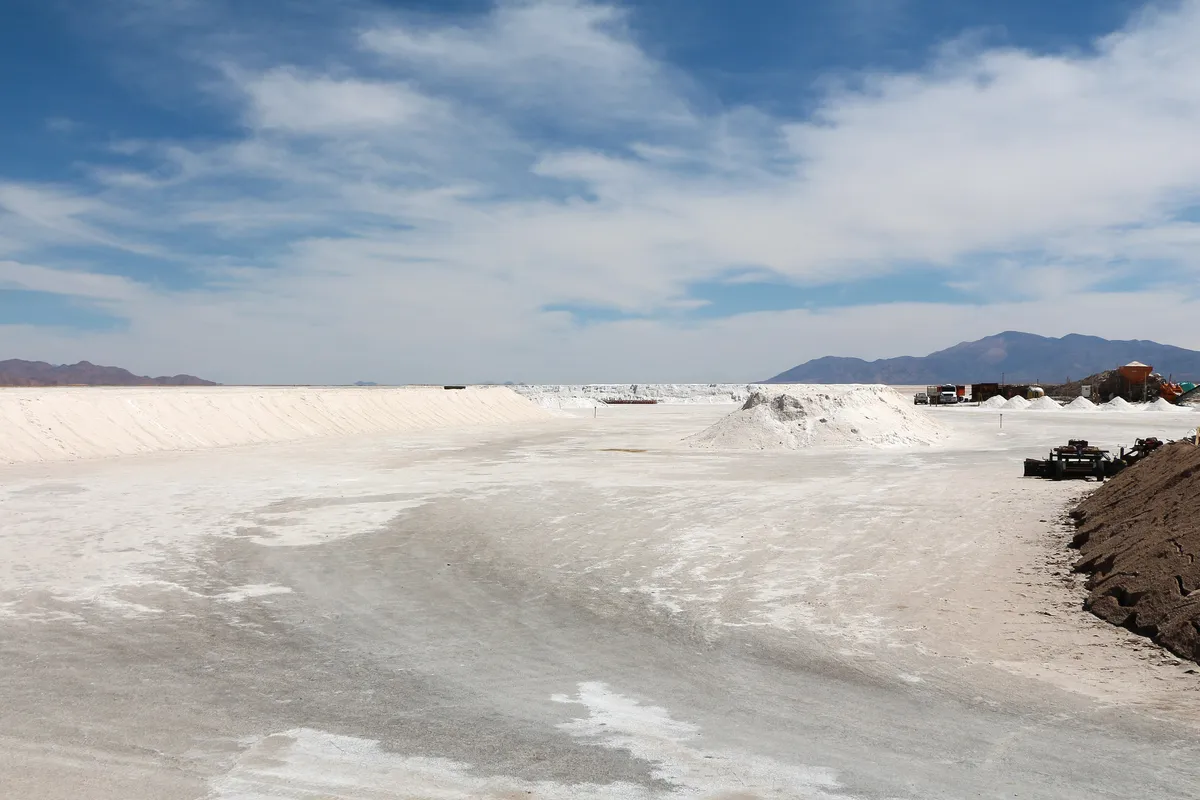
Photo: Bernard Gagnon, CC BY-SA 4.0