Guide
High-altitude wine in Cafayate
Torrontés, sun-struck Malbec and vineyards above 1,700 metres — how to taste your way through the Calchaquí Valleys wine route.
By Visit NOA Editors ·
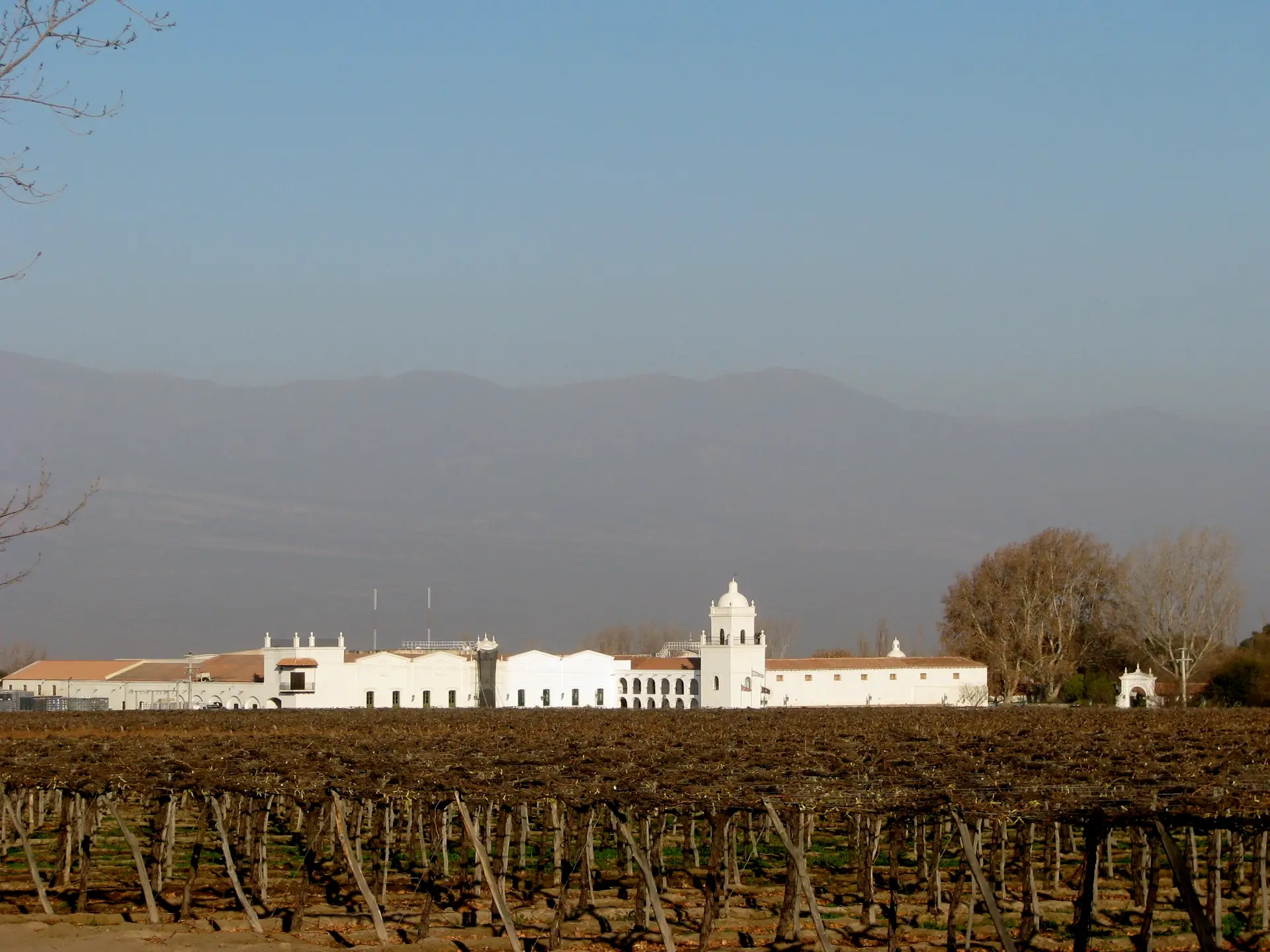
Photo: Anthony Arrigo, CC BY 2.0
Experiences
Tours for this trip
 Likely to sell outViator
Nature
2-Day Calchaquí Valley Tour to Cachi and Cafayate
Experience the incredible Calchaquí Valley on this activity-filled overnight tour from Salta that combines stunning natural scenery with Argentine wine. You’ll enjoy a scenic round-trip drive to the towns of Cachi and…
Full day · 48 h · Salta, Cafayate, Cachi
From US$461
5.0 out of 5 (1)
 Private tourViator
Culture · Gastronomy · Nature
Unveiling Cafayate: Premium Wine Road Adventure
This excursion is a tour to 2 wineries of Cafayate that are positioned as one of the best of the Calchaqui Valley. There are 2 different options available. This tour could be to San Pedro de Yacochuya and Piattelli…
6 h · Cafayate
From US$116
5.0 out of 5 (2)
 Free cancellationViator
Culture
Quebrada de Humahuaca From Salta with Purmamarca
Discover the beautiful landscapes offered by the Quebrada de Humahuaca, with its picturesque villages, culture and ancestral history. The various colors, mountains and hills. The native fauna, the warmth of its people,…
Full day · 12 h · Salta, Humahuaca, Purmamarca
From US$56
4.9 out of 5 (130)
Cafayate sits at about 1,700 metres, and the vineyards above the town climb past 2,000. That altitude is the whole story: thin air, strong sun and cold nights produce thicker grape skins, deeper colour and wines with more aroma and acidity than the same grape grown lower down.
Torrontés, the grape of the valley
Torrontés Riojano is Argentina’s signature white and Cafayate is its home. It smells intensely floral — jasmine, rose, white peach — and then arrives dry and firm on the palate rather than sweet, which surprises most first-time drinkers. It is the natural partner for Salta’s empanadas and for goat’s cheese from the valleys.
And the reds
Malbec here is darker and more structured than Mendoza’s, with the tannin that comes from high-altitude skins. Tannat and Cabernet Sauvignon do well for the same reason, and a few producers work with Criolla, the old colonial grape now being taken seriously again.
Planning a tasting day
Most wineries are within a few kilometres of Cafayate’s plaza, and several of the smaller ones are walking or cycling distance. A relaxed day is two or three visits — more than that and the palate gives up.
- Book ahead at the larger estates, particularly between December and March.
- Mornings are cooler and less crowded; many wineries close over the long lunch.
- Tastings are usually paid and modest in price, often credited against a purchase.
- Nominate a driver, or hire a bicycle in town — the roads between the bodegas are flat.
Harvest and festivals
Harvest runs from roughly February to April, the busiest and most interesting time to visit, when the wineries are working and the valley smells of fermenting fruit. Cafayate’s Serenata festival, in late February, fills the town with folk music.
Getting there
Cafayate is about 185 km from Salta on RN68, three hours through the Quebrada de las Conchas — a red-rock gorge that is reason enough for the drive on its own. Buses run daily from Salta, and the town is the southern anchor of the Calchaquí Valleys loop.


